
News
Stay up to date on the latest crypto trends with our expert, in-depth coverage.

1Bitget UEX Daily | Iran Confirms Larijani's Death; “Cathie Wood” Bullish on AI; Micron Stock Hits New All-Time High (March 18, 2026)2Morgan Stanley exec says crypto ETF adoption still 'very early' as advisors weigh allocations3SOL price signal tied to previous 142% rally flashes again: Are the bulls back?

AUD/USD: RBA expected to implement consecutive rate increases – BBH
101 finance·2026/03/10 12:58

Saudi Arabia will reroute oil shipments in a matter of days to bypass the Strait of Hormuz
101 finance·2026/03/10 12:48
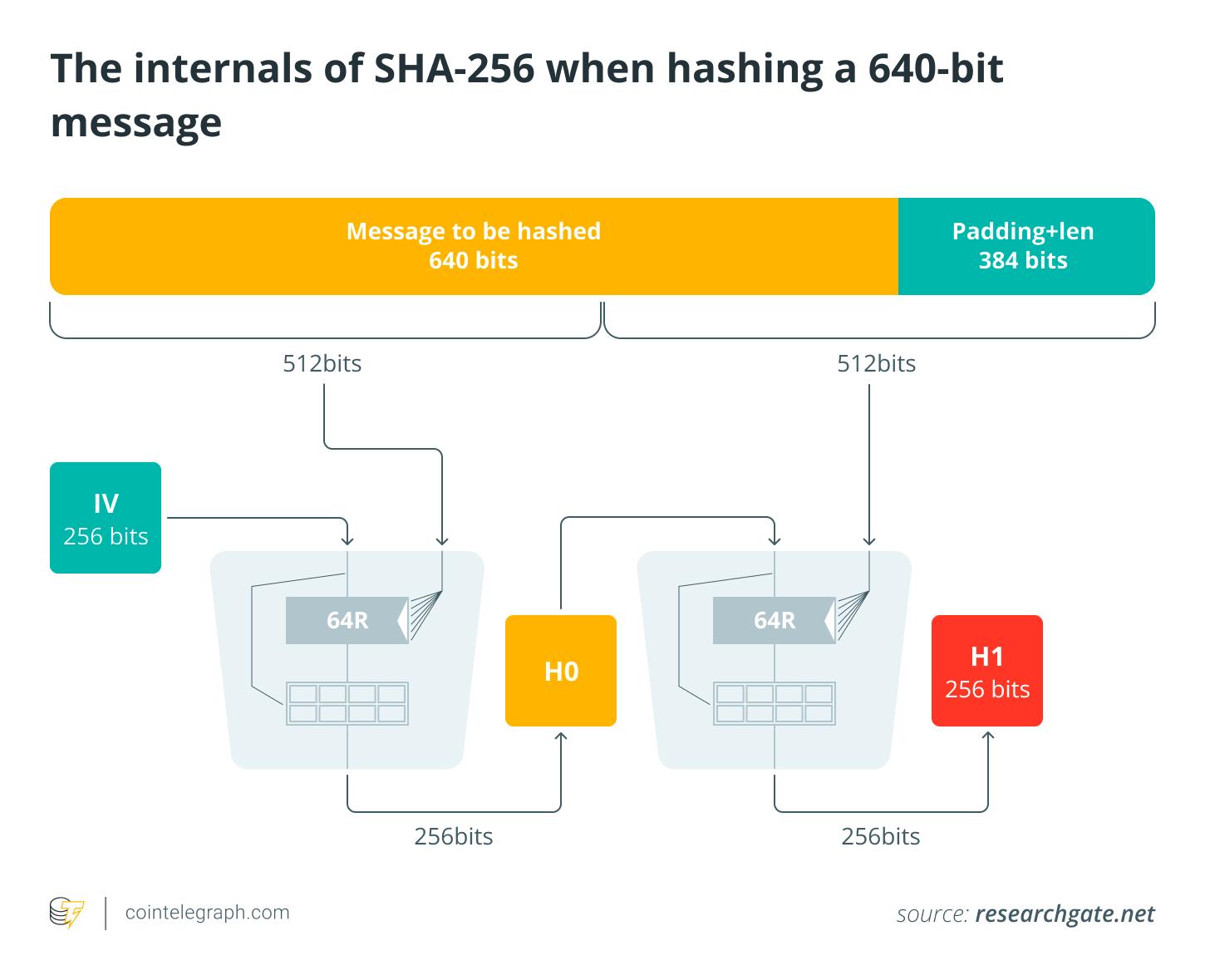
Bitcoin’s quantum upgrade path: What BIP-360 changes and what it does not
Cointelegraph·2026/03/10 12:48
UK Government’s Fraud Strategy Paints Crypto as ‘Growing Risk’
Decrypt·2026/03/10 12:46
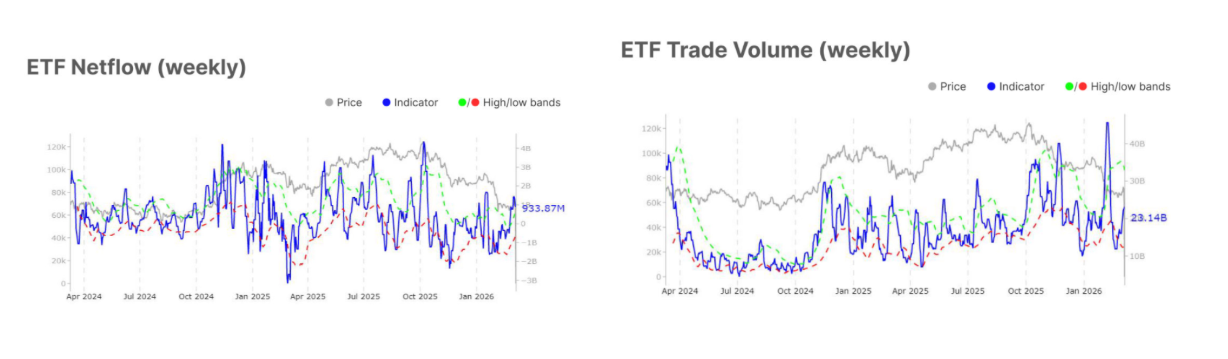
Bitcoin price analysis predicts another dip after $72K liquidity sweep
Cointelegraph·2026/03/10 12:42
Archer's Legal Move in China: Is It a $2 Billion Liquidity Strategy or Just a $20 Million Daily Volume Sideshow?
101 finance·2026/03/10 12:39
How to navigate trading in the Trump 2.0 era
101 finance·2026/03/10 12:36

NIO Achieves First Quarterly Profit Thanks to Record-Breaking Sales and Robust Margins
101 finance·2026/03/10 12:18
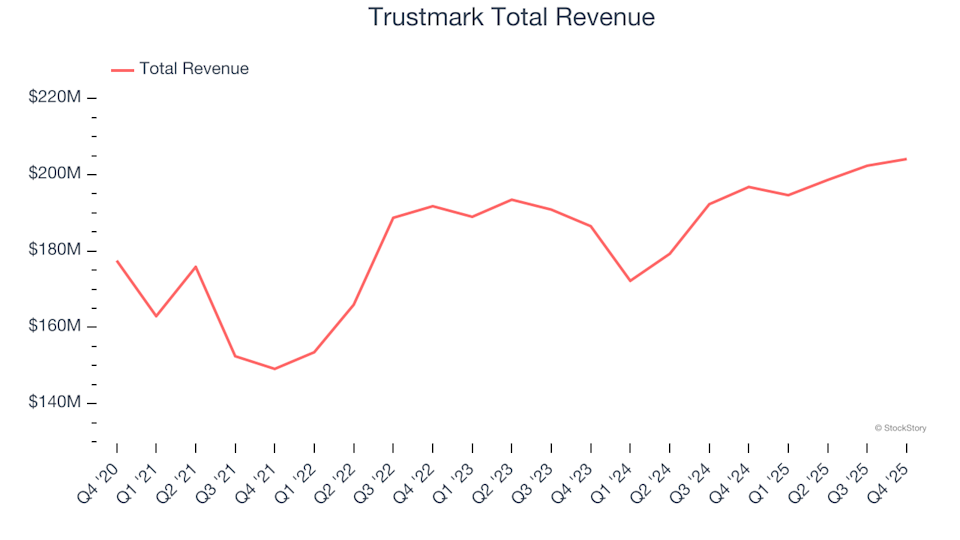
Unveiling Q4 Results: How Trustmark (NASDAQ:TRMK) Compares to Other Regional Bank Stocks
101 finance·2026/03/10 12:15
Flash
06:26
Cryptocurrency Fear & Greed Index Drops to 26, Market 'Fear' Sentiment Slightly RisesBlockBeats News, March 18th, according to Alternative Data, today's cryptocurrency Fear and Greed Index is 26 (yesterday was 28), and the market's "fear" sentiment has slightly increased.
Note: The Fear Index threshold is 0-100, including indicators: Volatility (25%) + Market Volume (25%) + Social Media Hype (15%) + Market Surveys (15%) + Bitcoin Dominance (10%) + Google Trends Analysis (10%).
06:25
S&P: If Middle East conflict escalates, Gulf region banks may face $307 billion in deposit outflows格隆汇 March 18|S&P Global released a report stating that if the Middle East conflict intensifies, banks in the Gulf region could face deposit outflows of up to $307 billions. Currently, there is no evidence of large-scale outflows of foreign or local funds from Gulf banks, but if the conflict becomes prolonged, it may trigger risk-averse capital flows between banks within the same financial system and lead to broader withdrawals of external and local funds. The report notes that local banks currently hold about $312 billions in cash or funds deposited with central banks, which is sufficient to absorb such outflows. If banks liquidate their investment portfolios at a 20% discount, they could obtain an additional buffer of approximately $630 billions, and overall risks appear to remain within a controllable range. S&P also pointed out that among the six member countries of the Gulf Cooperation Council, four are considered to provide strong support to their banking systems, and since the outbreak of the conflict, regional regulatory agencies have strengthened their oversight.
06:19
Economist: The Bank of Japan's influence in the Japanese bond market is gradually weakeningGolden Ten Data reported on March 18 that the latest funds flow statistics from the Bank of Japan show that as of the end of last December, the proportion of Japanese government bonds held by the central bank dropped from 44.2% at the end of September to 43.1%. This decline reflects a reduction in the central bank's bond purchases and a decrease in market value caused by surging bond yields. Tsuyoshi Ueno, an economist at NLI Research Institute, stated that although the Bank of Japan still holds nearly half of the outstanding long-term government bonds and remains the dominant force in the market, its influence is gradually weakening.
News