
The Real Cash Crunch and False Alarms: Why Did SOFR Surge While U.S. Stocks Didn’t Crash?【Master Cheng Tan Lecture 3.4】


Highlights Preview
Many people instinctively think when SOFR surges and repo rates spike:
“There’s a problem with dollar liquidity.”
“Are risk assets about to crash?”
But the reality might not be so simple.
In September 2019, the U.S. repo rate once soared by 300 bps;
In October 2025, SOFR once again experienced an abnormal spike.
Yet in both instances, U.S. equities didn’t see a systemic plunge,
Gold didn’t collapse; and U.S. Treasuries also didn’t suffer from broad liquidity stress.
Why?
Because a “lack of funds” in the repo market doesn’t mean the whole financial system is “short of money.”
What’s truly important isn’t SOFR itself, but whether a liquidity shock is starting to transmit to the broader financing markets.
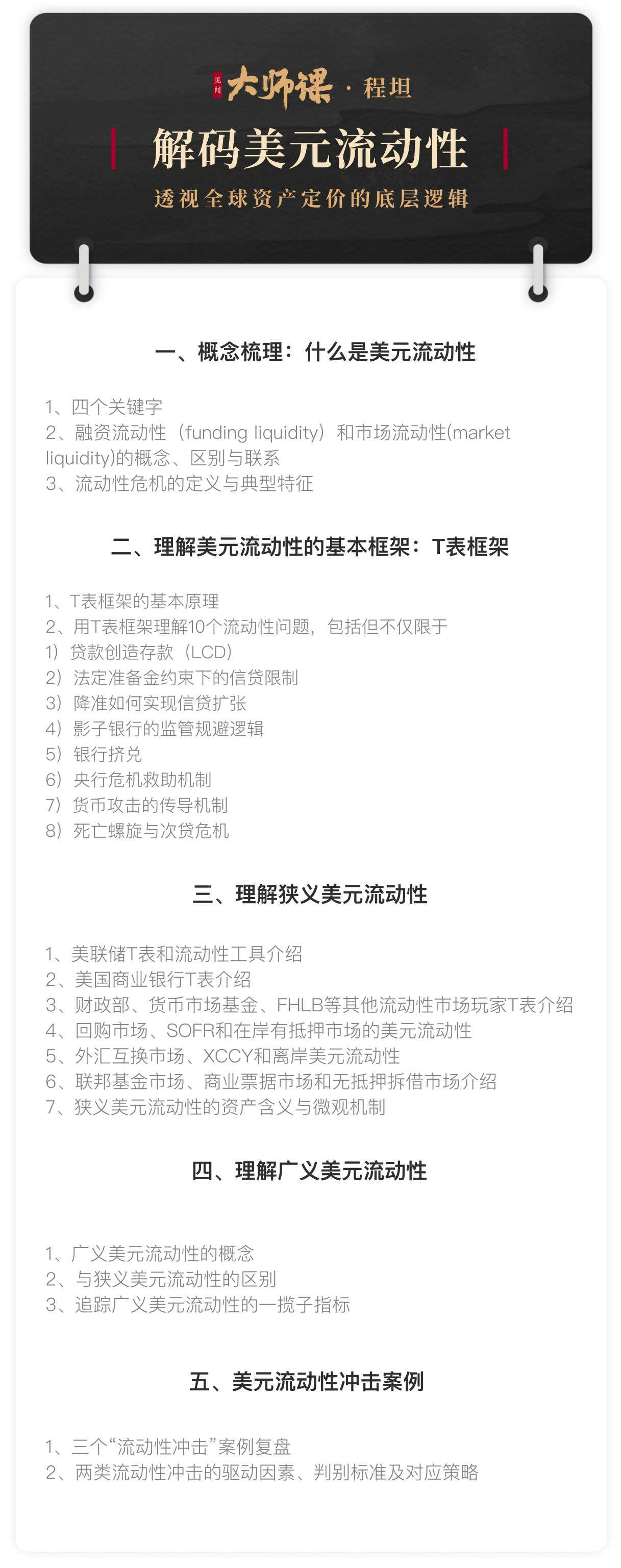
In this lesson, Tan Cheng, founder of Tantu Macro, will systematically explain —
What a real credit crunch is;
What is just short-term disturbance caused by month-end, taxes, or debt issuance;
Why some SOFR spikes are worth caution while others are nothing to worry about;
And, above all, which liquidity indicators really determine whether risk assets are at risk.
Disclaimer: The content of this article solely reflects the author's opinion and does not represent the platform in any capacity. This article is not intended to serve as a reference for making investment decisions.
You may also like
Plume secures Bermuda license for what it calls first regulated onchain vault manager
XRP Analyst Reveals The Real Catalysts; ‘The Price Discovery Will Be Biblical’

NEX fluctuates by 1804% in 24 hours: Low-cap micro coins experience violent volatility
BoE’s Bailey: We have a softening picture for growth
Trending news
MoreCrypto prices
More





