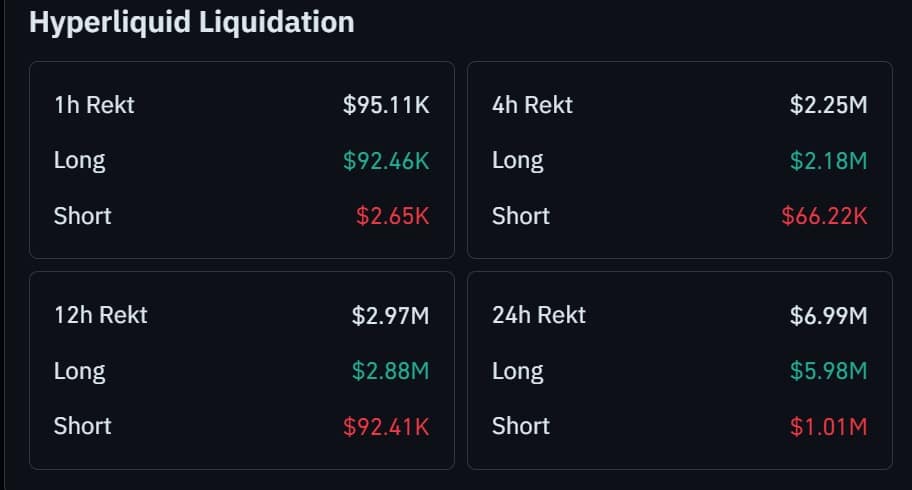
April 2026 has become the worst month for crypto exploits since February 2025, and it is not even over yet. In just 18 days, protocols have lost more than $606 million to hacks, pushing the industry’s total losses for the year to $771.8 million.
Two attacks account for nearly all of it. The Drift Protocol hack on April 1, 2026, involved a $280–$285M exploit using social engineering and durable nonce transactions on Solana. The $292 million Kelp DAO exploit on April 18 targeted a single point of failure in LayerZero’s cross-chain messaging infrastructure. Together, they account for 95% of April’s losses and 75% of all items stolen in 2026.
Both attacks have been linked to North Korea.
This is where market behavior diverges from expectations. Through two major exploits, $600 million in losses, and sustained negative headlines, Ethereum climbed from $2,000 to above $2,300. The market, in other words, did not panic.
 Source:
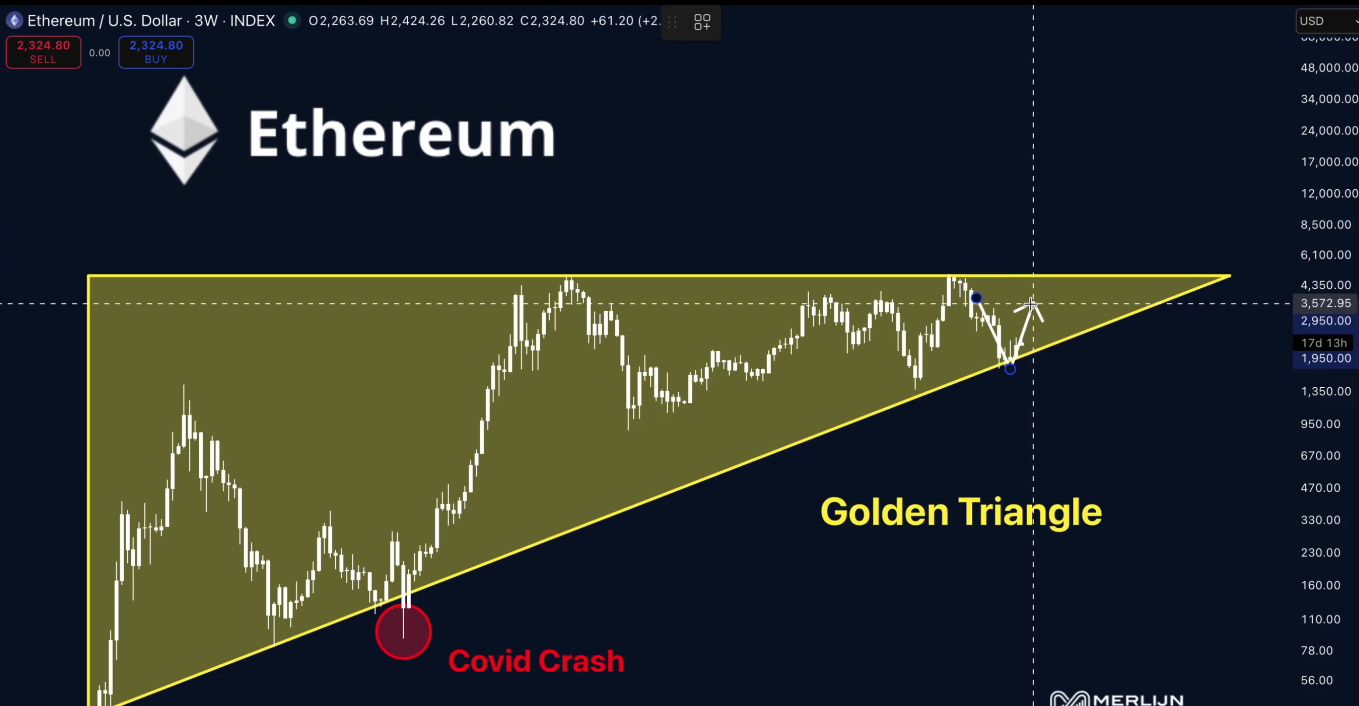
Analyst Merlijn The Trader pointed to a technical structure that may explain why. Ethereum’s golden triangle, a chart formation that has held intact since 2017, has survived the COVID-19 crash, the 2022 bear market, and the current correction without breaking. Price is now at the point where a resolution in one direction or the other becomes inevitable.
The levels being watched are: a move above $4,350 opens a measured target of $10,000. A break below $1,950 would crack nine years of market structure.
(adsbygoogle = window.adsbygoogle || []).push({});However, the setup is increasingly compressed. Ethereum has approached a zone where high-leverage long positions are heavily concentrated, meaning even a modest drop could trigger a cascade of liquidations. At the same time, short positions are stacking up around $2,440, creating pressure as well.
The market is coiled. Exploits that would have rattled sentiment badly in earlier cycles have barely registered in price. Whether that shows maturity or simply a temporary calm before a sharp move in either direction is the question traders are sitting with right now.
Related: David Schwartz Says KelpDAO’s Laziness Enabled The North Korean Hack