
The CFTC Opens a Breach: Will Crypto Win the Market War?

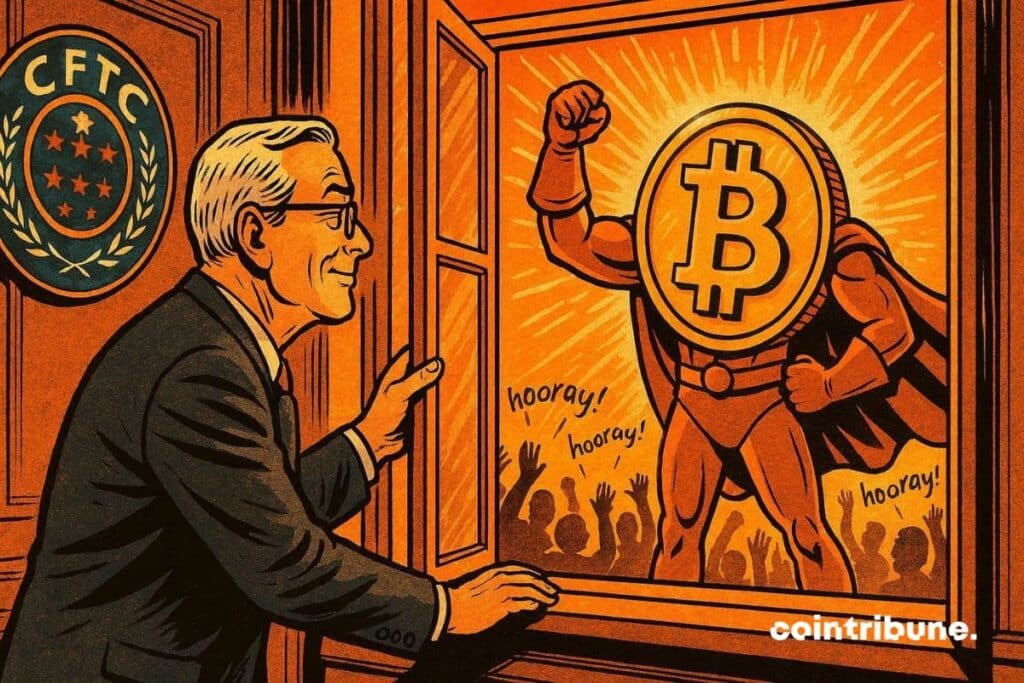
For the first time, Bitcoin, Ether, and USDC are officially recognized as collateral on American derivatives markets. A historic decision that propels crypto into the heart of traditional finance and opens an unprecedented era of innovation. Decoding the stakes and impacts of this major turning point.
In Brief
- The CFTC authorizes Bitcoin, Ether, and USDC as collateral on derivatives markets for the first time, reducing barriers between crypto and traditional finance.
- This CFTC decision accelerates settlements, improves capital efficiency, and strengthens interoperability between blockchain infrastructures and traditional financial markets.
- Regulatory clarity should attract massive institutional flows, positioning crypto for a more liquid and innovative market cycle.
Crypto: The Historic CFTC Decision That Changes the Market
On December 8, 2025, the CFTC launched a pilot program authorizing Bitcoin, Ether, USDC and tokenized assets as collateral in derivatives markets. A world first that breaks down barriers between crypto and traditional finance. Until now, institutions had to convert their digital assets into dollars to use them as collateral, a costly and inefficient constraint.
This framework, announced by Caroline Pham, interim chair of the CFTC, introduces clear rules: weekly reporting, enhanced transparency, and client asset protection. Futures Commission Merchants (FCMs) can now accept these assets under strict supervision. A breakthrough that finally legitimizes crypto in the eyes of institutional players, long reluctant due to the lack of appropriate regulation.
The Explosive Impact of the CFTC Framework on Liquidity and Crypto Innovation
The immediate impact of this CFTC regulatory framework is a significant improvement in market liquidity and efficiency. Indeed, traders can now directly use their crypto as collateral without prior conversion. The result: faster settlements, reduced costs, and optimized capital allocation. An advance benefiting both institutions and individuals alike.
This program also accelerates the convergence between traditional finance (TradFi) and crypto. By authorizing tokenized Treasuries and stablecoins as collateral, the CFTC promotes the emergence of more programmable and interoperable markets. Blockchain infrastructures and traditional financial systems can finally coexist, paving the way for innovative hybrid products. For 2026, the prospects look promising. As Gracy Chen, CEO of Bitget, points out:
With this regulatory clarity, we anticipate a resurgence of momentum in 2026. Institutional flows should accelerate, and the industry is now positioned for a healthier and more liquid market cycle, fostering long-term growth.
Bitcoin Enters a New Era Thanks to the CFTC
Bitcoin is the main beneficiary of this decision. Recognized as valid collateral, it gains legitimacy and attractiveness for institutional investors. Until now, they hesitated to expose themselves to BTC due to its unclear regulatory status and volatility. Now, they can use it directly as collateral without risk of forced liquidation.
Recent data confirms this enthusiasm: on December 9, 2025, Bitcoin rose 2.55%, surpassing 92,000 dollars. Volumes on futures contracts also increased, a sign of growing interest from institutional traders. This decision addresses their main concerns: security, transparency, and compliance.
The CFTC’s decision marks a decisive turning point for crypto in general, and Bitcoin in particular. By combining innovation, security, and efficiency, this regulatory framework paves the way for a more inclusive and interconnected finance. One question remains: will this accelerated integration of cryptocurrencies mark the advent of lasting Bitcoin dominance, or the emergence of a more diversified and tokenized ecosystem?
Disclaimer: The content of this article solely reflects the author's opinion and does not represent the platform in any capacity. This article is not intended to serve as a reference for making investment decisions.
You may also like
Options Market Statistics | Micron Technology Down 5.95%, Samsung Strike Worsens Memory Chip Shortage
Today's Bullish Patterns & Technical Sentiment | Published on 05/19: IMO, KO, SM and More
Bitcoin miners tipped as key winners in $90b AI data center boom
Solana Slides to Worst Weekly Performance in Top 10 as Whales Step Up Sales
Trending news
MoreCrypto prices
More





