
Hyperliquid Strategies Intends $1 Billion Expansion via S-1 Filing
- Hyperliquid’s $1 billion SEC filing aims at crypto treasury growth.
- Focus on expanding HYPE token holdings and DeFi initiatives.
- HYPE token price climbs 8% after filing announcement.
Hyperliquid Strategies, led by CEO David Schamis and Chairman Bob Diamond, filed an S-1 with the SEC to raise $1 billion to expand its HYPE token treasury.
The move signals significant institutional interest in DeFi, with the HYPE token experiencing an 8% price jump, indicating market optimism for Hyperliquid’s expansion plans.
Lede
Hyperliquid Strategies has filed a statement with the SEC to raise $1 billion, focusing on expanding its treasury holdings of the HYPE token and funding decentralized finance initiatives. The move represents a major step in increasing their DeFi footprint.
Nutgraph
Key figures include CEO David Schamis and Chairman Bob Diamond. The expansion will utilize proceeds from 160 million shares to boost liquidity and enhance corporate holdings, signifying a strategic pivot toward altcoin dominance, specifically through the HYPE token.
David Schamis, CEO, Hyperliquid Strategies, “The S-1 filing reflects our commitment to leverage the funds raised for scaling our treasury holdings of the HYPE token and furthering our DeFi initiatives.”
HYPE Token Surge Following Filing
The filing led to an 8% spike in the HYPE token’s price, reflecting market confidence. Hyperliquid’s strategic focus on DeFi and altcoins distinguishes their approach from typical crypto treasuries, which often target assets like Bitcoin and Ethereum.
Allocating $305 million towards HYPE acquisition could increase demand and liquidity within the DeFi sector. Notably, traditional assets like Bitcoin and Ethereum remain unaffected; the firm eyes aggressive altcoin exposure to diversify its portfolio.
Strategic Deviation in Industry Norms
The public funds raising and focus on an altcoin represent a strategic deviation from industry norms. Regulators have not yet commented, but the transparent filing suggests institutional readiness for increased altcoin adoption.
Hyperliquid’s ability to attract institutional investment showcases potential for similar strategies in the future. Monitoring regulatory shifts and DeFi expansion, their approach may set a precedent for crypto companies looking to capitalize on altcoin growth.
Disclaimer: The content of this article solely reflects the author's opinion and does not represent the platform in any capacity. This article is not intended to serve as a reference for making investment decisions.
You may also like
Research Report|In-Depth Analysis and Market Cap of Talus (US)

Five charts to help you understand: Where does the market go after each policy storm?
After this regulatory crackdown, is it a harbinger of an impending downturn, or the beginning of a new cycle where all negative news has been fully priced in? Let’s examine the trajectory after the storm through five key policy milestones.

Mars Morning News | The crypto market rebounds across the board, Bitcoin rises above $94,500; The "CLARITY Act" draft is expected to be released this week
The crypto market has fully rebounded, with bitcoin surpassing $94,500 and US crypto-related stocks rising across the board. The US Congress is advancing the CLARITY Act to regulate cryptocurrencies. The SEC chairman stated that many ICOs are not securities transactions. Whales are holding a large number of profitable ETH long positions. Summary generated by Mars AI. The accuracy and completeness of the content generated by the Mars AI model is still being iteratively updated.

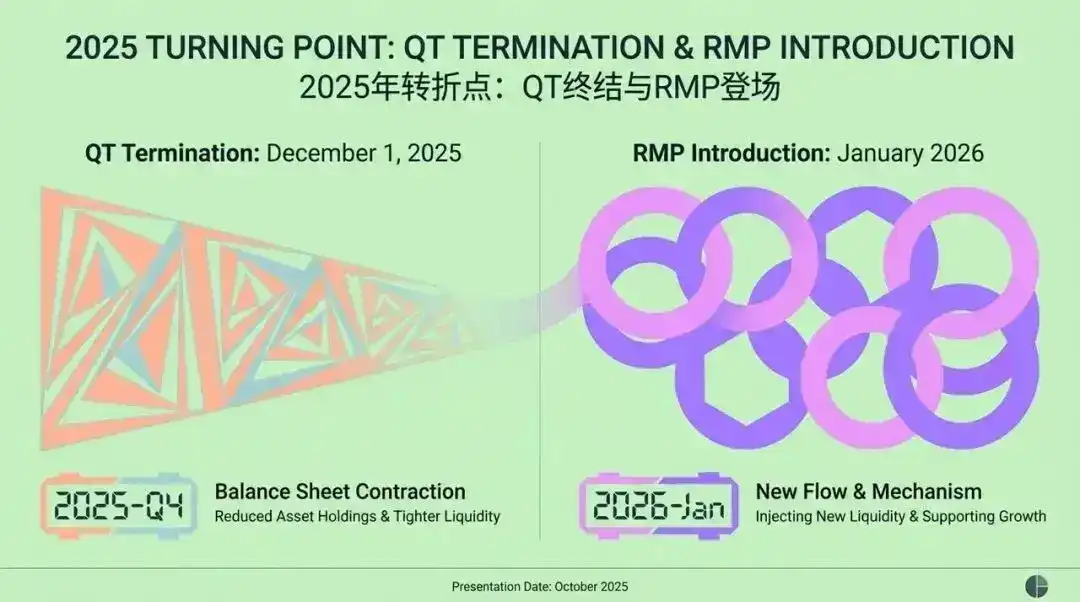
Federal Reserve’s Major Shift: From QT to RMP, How Will the Market Transform by 2026?
The article discusses the background, mechanism, and impact on financial markets of the Federal Reserve's introduction of the Reserve Management Purchases (RMP) strategy after ending Quantitative Tightening (QT) in 2025. RMP is regarded as a technical operation aimed at maintaining liquidity in the financial system, but the market interprets it as a covert easing policy. The article analyzes RMP's potential effects on risk assets, the regulatory framework, and fiscal policy, and provides strategic recommendations for institutional investors. Summary generated by Mars AI This summary was generated by the Mars AI model, and the accuracy and completeness of its content are still in the process of iterative improvement.
Trending news
MoreCrypto prices
More





