
VanEck Says Bitcoin Would Reach Half the Value of Physical Gold

VanEck CEO Jan van Eck has reiterated his bullish outlook for Bitcoin, projecting that it would rival gold in the near future.
Van Eck told Bloomberg on August 1 that Bitcoin is digital gold, a sentiment that is slowly becoming a norm in the global market. He suggested that this emerging narrative would see Bitcoin compete with gold and could claim a considerable chunk of its market cap.
Bitcoin to Claim Half of Gold’s Market Cap: Van Eck
Bloomberg host Matt Miller highlighted the unwavering belief from VanEck executives in Bitcoin even during the crypto winter. He asked van Eck why his firm believed so much in Bitcoin, and the CEO noted that it was because it is the digital version of gold, the most valuable asset in the world.
Interestingly, van Eck is not the only one insisting that Bitcoin is maturing into a rival to gold. Mexican billionaire Ricardo Salinas Pliego projected a few months back that Bitcoin would match gold’s $22 trillion market cap, citing a future where the crypto leader becomes the reserve asset for nations.
Also, a recent survey also points to Bitcoin’s demonetization of gold in the US. The report shows that more people now hold Bitcoin over gold in America, marking a shift in investment preference in favor of the pioneering cryptocurrency.
VanEck CEO Lauds Stablecoin Passage
Meanwhile, during his Bloomberg interview, Van Eck further highlighted the passage of the stablecoin bill as another development for Bitcoin and the crypto industry that would drive mass adoption. He called the GENIUS Act the “third most important piece of bank regulation” in US history.
For the uninitiated, the GENIUS Act passed in Congress, with the US president also approving the bill in July. The legislation ushered in stablecoin regulatory clarity, and van Eck believes it also changes things for crypto firms.
The VanEck CEO stated that tech-focused firms can now compete with banks in the payment industry, marking the first time in America’s history. Furthermore, he noted that although it may take a while, the bill will revolutionize Wall Street, with significant implications for the crypto industry.
Notably, while the bill would stir interest and capital influx into the crypto space, many suggest Bitcoin would not be a core beneficiary of the bill. Industry leaders have tapped Ethereum and XRP to be at the forefront of this drive due to their glaring stablecoin affiliations.
Disclaimer: The content of this article solely reflects the author's opinion and does not represent the platform in any capacity. This article is not intended to serve as a reference for making investment decisions.
You may also like
Research Report|In-Depth Analysis and Market Cap of Talus (US)

Five charts to help you understand: Where does the market go after each policy storm?
After this regulatory crackdown, is it a harbinger of an impending downturn, or the beginning of a new cycle where all negative news has been fully priced in? Let’s examine the trajectory after the storm through five key policy milestones.

Mars Morning News | The crypto market rebounds across the board, Bitcoin rises above $94,500; The "CLARITY Act" draft is expected to be released this week
The crypto market has fully rebounded, with bitcoin surpassing $94,500 and US crypto-related stocks rising across the board. The US Congress is advancing the CLARITY Act to regulate cryptocurrencies. The SEC chairman stated that many ICOs are not securities transactions. Whales are holding a large number of profitable ETH long positions. Summary generated by Mars AI. The accuracy and completeness of the content generated by the Mars AI model is still being iteratively updated.

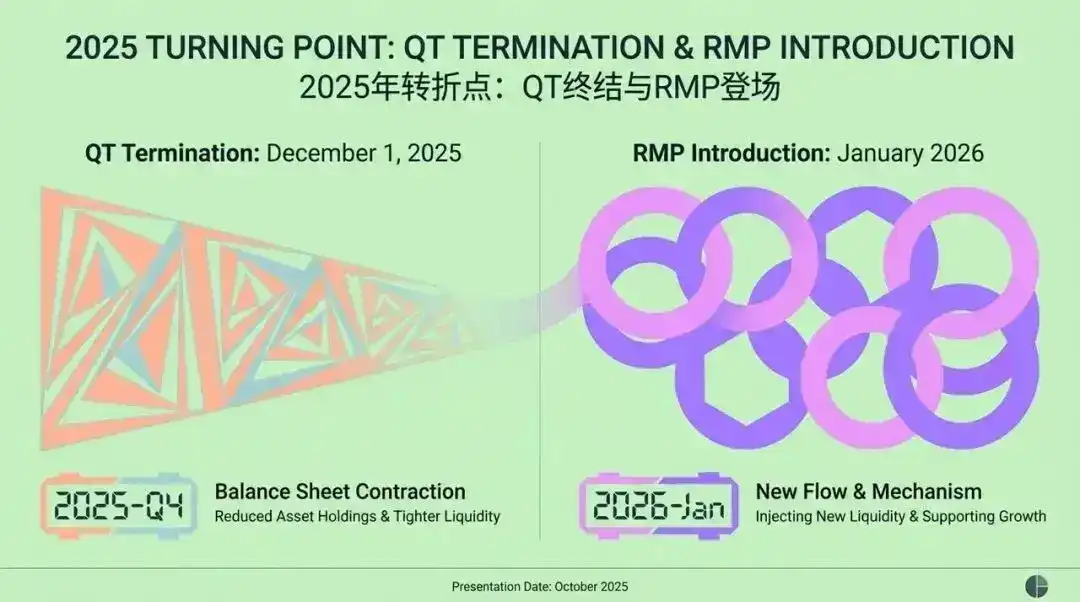
Federal Reserve’s Major Shift: From QT to RMP, How Will the Market Transform by 2026?
The article discusses the background, mechanism, and impact on financial markets of the Federal Reserve's introduction of the Reserve Management Purchases (RMP) strategy after ending Quantitative Tightening (QT) in 2025. RMP is regarded as a technical operation aimed at maintaining liquidity in the financial system, but the market interprets it as a covert easing policy. The article analyzes RMP's potential effects on risk assets, the regulatory framework, and fiscal policy, and provides strategic recommendations for institutional investors. Summary generated by Mars AI This summary was generated by the Mars AI model, and the accuracy and completeness of its content are still in the process of iterative improvement.
Trending news
MoreCrypto prices
More





