
Figure Markets, Pantera Snap Up Final Pieces of FTX’s Solana (SOL) Stash: Report

Pantera Capital previously aimed to secure $250 million in March to buy FTX Solana tokens, winning a discounted batch the very next month.
The bankrupt crypto exchange FTX has concluded the sale of $2.6 billion worth of discounted Solana tokens. Figure Markets and Pantera Capital were among the buyers who raked up the final troves of SOL tokens from FTX after weeks of auctions.
The results of the auction were disclosed by two undisclosed sources, according to Bloomberg, who stated that Figure acquired a bundle of 800,000 coins for approximately $80 million.
Deep Discounts in FTX’s Solana Tokens
One of the sources mentioned that Figure paid an estimated $102 per token, representing a significant markdown from Solana’s current market price of approximately $166. The company’s CEO and co-founder, Mike Cagney, had earlier revealed that they would establish a Special Purpose Vehicle (SPV) that would be accessible to both non-US and US investors, allowing them to participate in the auctions.
Two unnamed sources further revealed that Pantera Capital also participated in the recent auction, but the amount paid by the venture capital fund is not known.
The sale of Solana tokens has stirred controversy within the bankruptcy proceedings of FTX, a collapsed cryptocurrency firm once led by convicted fraudster Sam Bankman-Fried, a.k.a SBF.
Earlier in March this year, Pantera aimed to raise $250 million from investors to acquire Solana tokens from FTX. The following month, Pantera successfully secured a batch of discounted Solana tokens as a winning bidder.
Besides Pantera, major crypto firms such as Neptune Digital Assets Corp and Galaxy Trading have also shown keen interest in acquiring portions of the Solana tokens that FTX has been selling off directly since the bankruptcy proceedings began. FTX initiated these direct sales as a means to liquidate its holdings of the SOL token.
FTX Users Lose Big
Many crypto users lost their life savings in the collapse of FTX. Subsequently, the crypto market made a remarkable recovery from the 2022 crash, with Bitcoin ultimately soaring to new ATH.
The assets they had entrusted to FTX – had they not been locked up in bankruptcy – would have grown to at least $4 million, according to estimates made by two victims who had parked their funds at the fraudulent exchange.
FTX claims it can gather enough funds to repay creditors 100% of what they are owed, plus interest.
However, instead of getting their crypto back, creditors will receive US dollars based on the accounts’ value at FTX’s November 2022 collapse. Since Bitcoin’s price has roughly quadrupled since then, they missed out on the largest crypto bull run since the pandemic.
Disclaimer: The content of this article solely reflects the author's opinion and does not represent the platform in any capacity. This article is not intended to serve as a reference for making investment decisions.
You may also like
Five charts to help you understand: Where does the market go after each policy storm?
After this regulatory crackdown, is it a harbinger of an impending downturn, or the beginning of a new cycle where all negative news has been fully priced in? Let’s examine the trajectory after the storm through five key policy milestones.

Mars Morning News | The crypto market rebounds across the board, Bitcoin rises above $94,500; The "CLARITY Act" draft is expected to be released this week
The crypto market has fully rebounded, with bitcoin surpassing $94,500 and US crypto-related stocks rising across the board. The US Congress is advancing the CLARITY Act to regulate cryptocurrencies. The SEC chairman stated that many ICOs are not securities transactions. Whales are holding a large number of profitable ETH long positions. Summary generated by Mars AI. The accuracy and completeness of the content generated by the Mars AI model is still being iteratively updated.

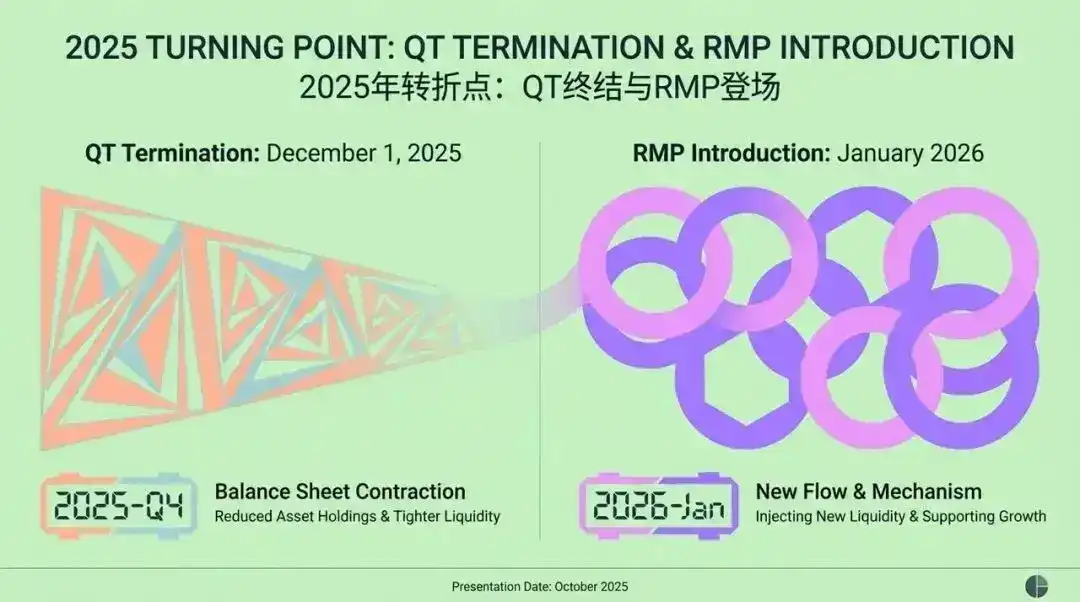
Federal Reserve’s Major Shift: From QT to RMP, How Will the Market Transform by 2026?
The article discusses the background, mechanism, and impact on financial markets of the Federal Reserve's introduction of the Reserve Management Purchases (RMP) strategy after ending Quantitative Tightening (QT) in 2025. RMP is regarded as a technical operation aimed at maintaining liquidity in the financial system, but the market interprets it as a covert easing policy. The article analyzes RMP's potential effects on risk assets, the regulatory framework, and fiscal policy, and provides strategic recommendations for institutional investors. Summary generated by Mars AI This summary was generated by the Mars AI model, and the accuracy and completeness of its content are still in the process of iterative improvement.
Rate Hike in Japan: Will Bitcoin Resist Better Than Expected?

Trending news
MoreCrypto prices
More





