
Celo developer cLabs proposes using OP Stack to launch Ethereum Layer 2 chain

cLabs, the core developer of the Celo blockchain, has proposed developing its Layer 2 chain using the OP Stack. After evaluating various scaling technologies over an eight-month period, the firm chose OP Stack for development.
The move to migrate Celo from its current Layer 1 network to an Ethereum Layer 2 was confirmed after receiving community approval through a governance vote last July, marking a big change in the project’s evolution.
The team has now decided to develop its Layer 2 on the OP Stack, the primary toolkit for developing chains within the Optimism ecosystem. This followed an eight-month period of evaluation and testing of various scaling technologies and software packages, including Arbitrum Orbit , zkSync’s ZK Stack, and Polygon CDK .
OP Labs, the core contributor of the Optimism ecosystem, offers a development software stack known as the OP Stack, which enables developers to launch their own Layer 2 blockchains.
The firm plans the deployment of a testnet for the Celo Layer 2 in the summer of 2024, after another round of community voting.
The migration to the Optimism ecosystem will be a step towards integrating Celo into Optimism’s Superchain ecosystem that includes OP Mainnet, Base , Zora, Mode, and others. Worldcoin, the digital identity network founded by OpenAI’s Sam Altman, is also developing a Layer 2 network on the OP Stack.
OP Mainnet and other chains in the Optimism ecosystem use a scaling solution called optimistic rollups for operation. This technology aggregates Ethereum transactions on a secondary off-chain layer and allows for cheaper transaction processing to address scalability concerns on Ethereum.
cLabs stated in its proposal that Celo’s migration to OP Stack-based Layer 2 will focus on maintaining the network's distinctive features while improving its performance. Proposed improvements will include a reduction in block time from 5 seconds to 2 seconds and a 50% increase in throughput.
Celo is an Ethereum Virtual Machine-compatible blockchain that raised $30 million in 2019 from prominent venture firms like a16z and Polychain Capital. It closed another $20 million round in 2021. The network hosts a variety of applications, from popular Ethereum-based dApps like Uniswap and Sushiswap to native projects such as Valora , Mento, and UbeSwap.
Disclaimer: The content of this article solely reflects the author's opinion and does not represent the platform in any capacity. This article is not intended to serve as a reference for making investment decisions.
You may also like
COC the Game Changer: When Everything in GameFi Becomes "Verifiable", the Era of P2E 3.0 Begins
The article analyzes the development of the GameFi sector from Axie Infinity to Telegram games, pointing out that Play to Earn 1.0 failed due to the collapse of its economic model and trust issues, while Play for Airdrop was short-lived because it could not retain users. COC Game has introduced the VWA mechanism, which verifies key data on-chain in an attempt to address trust issues and build a sustainable economic model. Summary generated by Mars AI. This summary was generated by the Mars AI model, and its accuracy and completeness are still being iteratively updated.

BTC Volatility Weekly Review (November 17 - December 1)
Key metrics (from 4:00 PM HKT on November 17 to 4:00 PM HKT on December 1): BTC/USD: -9.6% (...

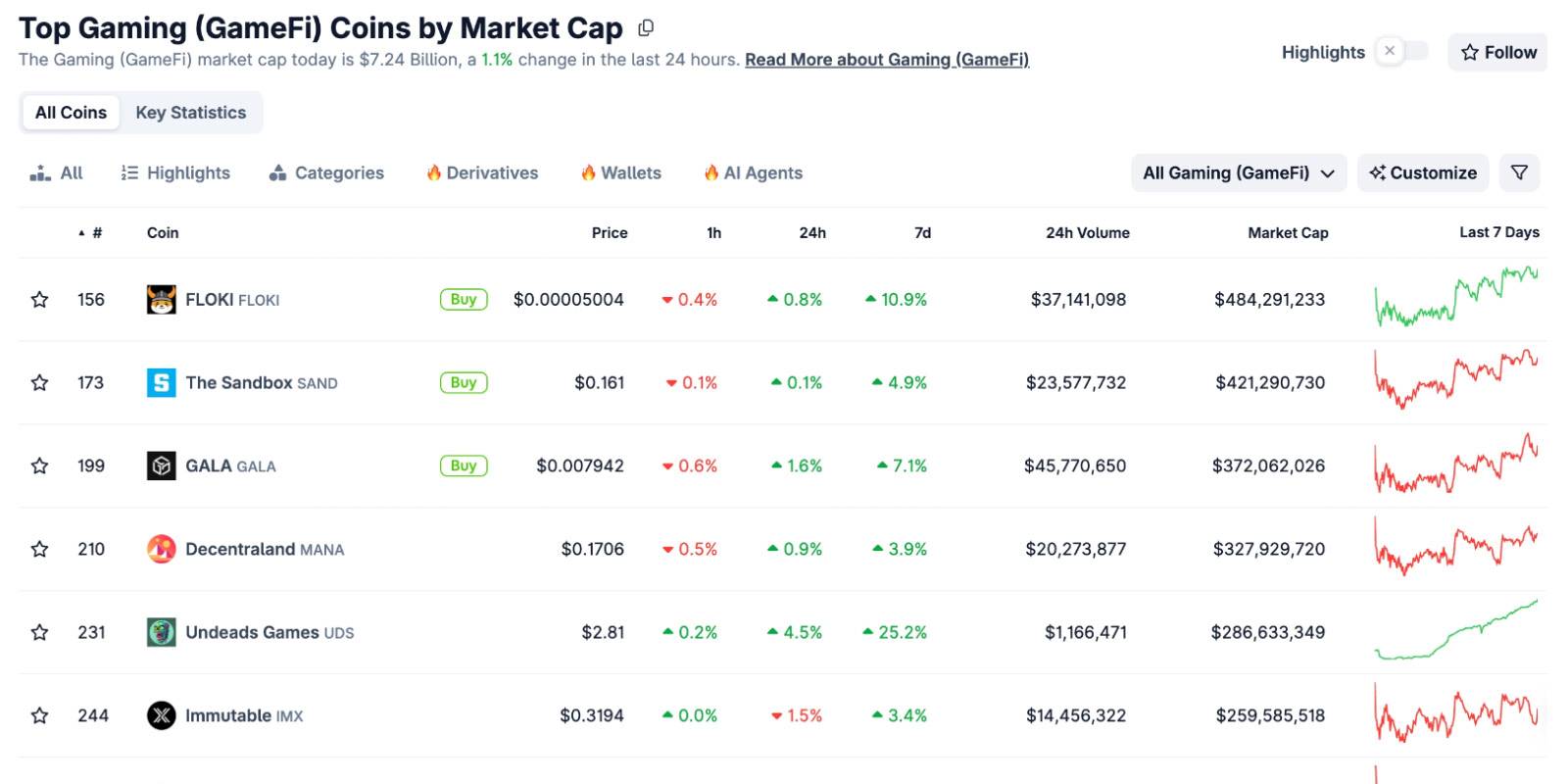
When all GameFi tokens have dropped out of the TOP 100, can COC reignite the narrative with a Bitcoin economic model?
On November 27, $COC mining will be launched. The opportunity to mine the first block won't wait for anyone.
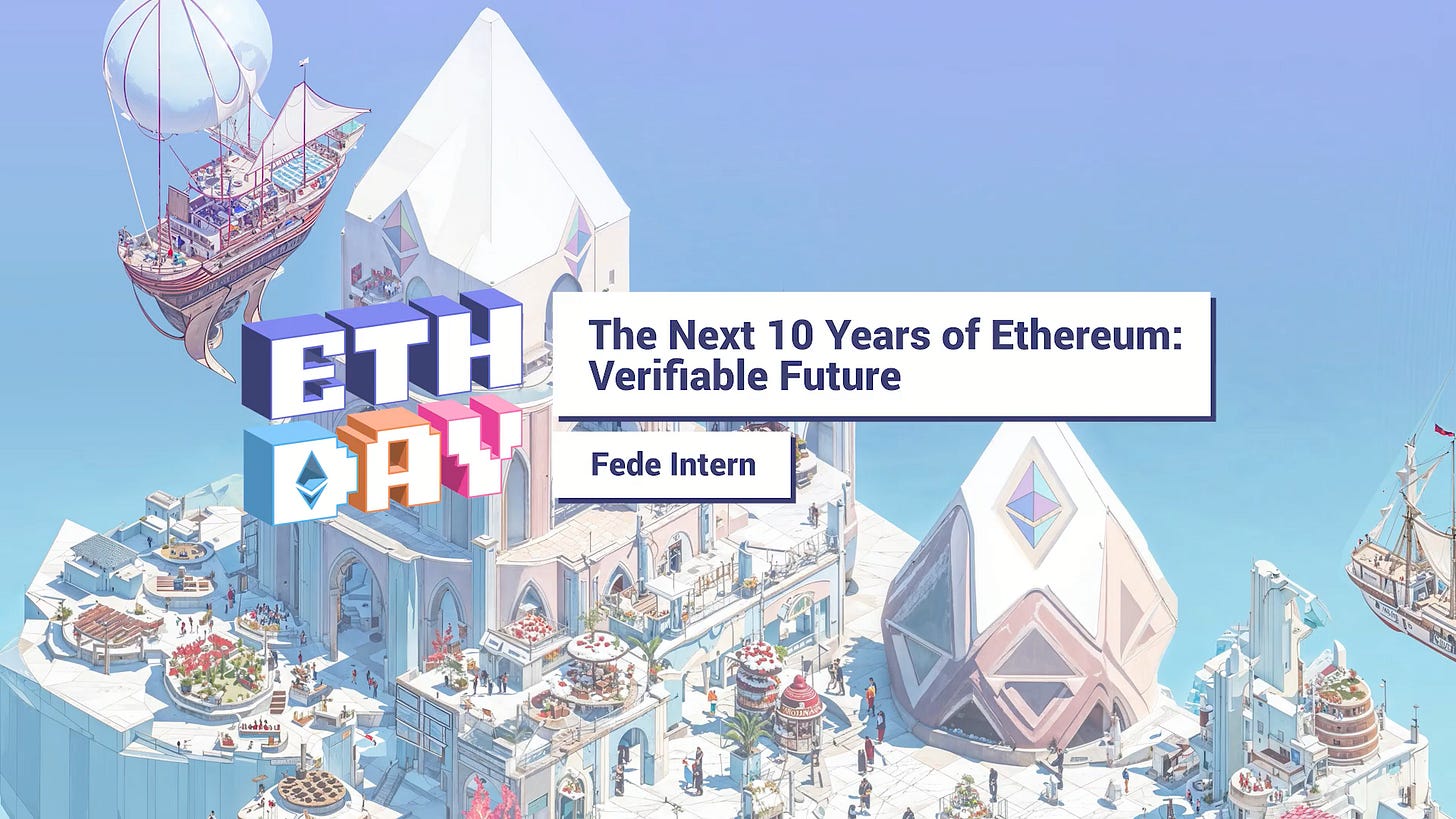
Ethereum's Next Decade: From "Verifiable Computer" to "Internet Property Rights"
Fede, the founder of LambdaClass, provides an in-depth explanation of anti-fragility, the 1 Gigagas scaling goal, and the vision for Lean Ethereum.
Trending news
MoreCrypto prices
More






