The Convergence of Social Justice and Renewable Energy Implementation in Developing Economies
Clean Energy Transformation: Driving Social Progress in Emerging Markets
The shift toward clean energy is now a pressing necessity, especially in developing regions where renewable energy initiatives are closely linked to advancing social equality and alleviating poverty. According to the International Energy Agency, achieving universal access to electricity and clean cooking solutions by 2030 will demand an estimated $45 billion in annual investment, with Africa and Asia facing the greatest need. Encouragingly, clean energy projects in these areas are already showing how environmental goals can be harmonized with economic and social development.
Renewables: Advancing Social Equity and Opportunity
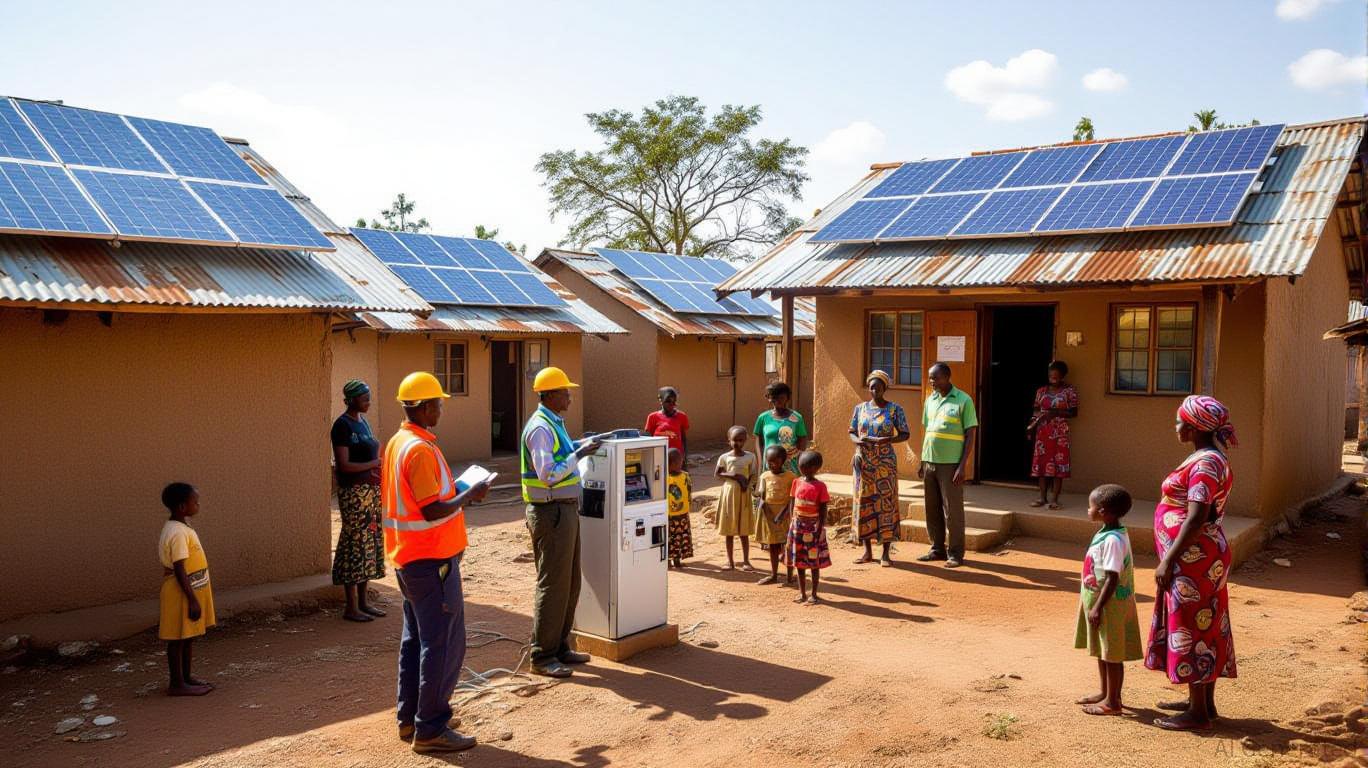
In emerging economies, renewable energy initiatives are uniquely positioned to tackle energy poverty while supporting Environmental, Social, and Governance (ESG) objectives. Research from 2025 highlights that renewables not only provide direct access to electricity but also stimulate economic growth and improve public health. Decentralized technologies such as solar microgrids and off-grid systems have been especially effective in reaching remote communities—over 600 million people in Africa still live without electricity. These solutions reduce dependence on fossil fuels and foster local empowerment through job creation and community-led energy management.
There is growing evidence that strong ESG performance is closely tied to poverty reduction. Studies show that ESG factors have a particularly strong effect on energy transitions in lower-income countries, where targeted investments can deliver substantial benefits for both the climate and social well-being.
Unlocking Investment: Reducing Risks and Fostering Innovation
Despite the promise of clean energy, investment in developing markets is often hampered by concerns over political and financial instability, as noted by the World Economic Forum. Innovative financial mechanisms—such as blended finance and guarantees—are proving vital in attracting capital. For example, GuarantCo, part of the PIDG, has issued $27 million in guarantees to African energy producers, unlocking up to $270 million in private investment and enabling the addition of 200–300 megawatts of renewable capacity. These risk-mitigation tools not only draw in private investors but also reinforce ESG-aligned, inclusive growth.
Transparency and data-sharing are equally crucial. By dispelling misconceptions about market risks, stakeholders can foster greater confidence in clean energy ventures. Countries such as Chile and Brazil have shown that structured regulatory frameworks and energy auctions can effectively scale up renewable energy, offering valuable models for other nations to follow.
Real-World Impact: Success Stories from Africa and Southeast Asia
Practical examples underscore the transformative role of clean energy in emerging markets. In Kenya, M-KOPA’s pay-as-you-go solar systems have brought electricity to more than 3 million homes, boosting financial inclusion and reducing carbon emissions. In Nigeria, Access Bank has embedded ESG principles into its business model, securing a $280 million syndicated loan linked to sustainability targets. These initiatives illustrate how renewables can drive job creation and infrastructure growth, directly contributing to poverty alleviation.
In Southeast Asia, Indonesia’s Just Energy Transition Partnership (JETP) stands out as a forward-thinking initiative. Analysis by the World Resources Institute suggests that every $1 billion invested in Indonesia’s renewable sector could yield $1.41 billion in economic returns, create 2.8 million jobs, and cut power sector emissions by 90% by 2050. These outcomes support the region’s net-zero ambitions and demonstrate the scalability of clean energy solutions.
Looking Ahead: Expanding Impact Through Collaboration
Accelerating the clean energy transition in emerging markets depends on closing a significant funding gap. Annual investment must rise from $770 billion in 2022 to between $2.2 and $2.8 trillion by the early 2030s to achieve climate and development objectives. This will require strong collaboration between public and private sectors, as government funding alone will not suffice. Organizations like the Green Finance Institute and the World Bank play a critical role in sharing best practices and building local financial expertise.
Additionally, ESG frameworks tailored to local needs are vital. In Brazil, for example, sustainable governance and innovation have had a greater impact on social outcomes than on environmental ones, highlighting the importance of context-specific approaches.
Conclusion
The adoption of renewable energy in developing regions offers a powerful intersection of environmental protection and social advancement. By leveraging risk-mitigation strategies, promoting data transparency, and replicating successful models, investors can unlock opportunities that drive both ESG objectives and poverty reduction. The experiences of Kenya, Nigeria, and Indonesia show that the clean energy transition is not just a response to climate change—it is a pathway to fair and sustainable growth.





