Dash's Price Soars 150%: Temporary Volatility or the Start of a Lasting Rally?
DASH’s Dramatic June 2025 Rally: Speculation or Sustainable Growth?
The cryptocurrency landscape is renowned for its unpredictable swings, where rapid price increases often blur the distinction between genuine progress and speculative excitement. In June 2025, Dash (DASH) experienced a remarkable 150% jump, climbing from $20 to $50 in just one month. This dramatic rise has ignited debate: Was this a short-lived speculative surge, or did it signal a lasting transformation driven by real advancements and favorable economic conditions? To unravel this, it’s essential to examine the roles of technological innovation, institutional involvement, and broader market trends that fueled DASH’s ascent—and to consider whether these elements can support continued growth.
Key Drivers: Upgrades and Institutional Interest
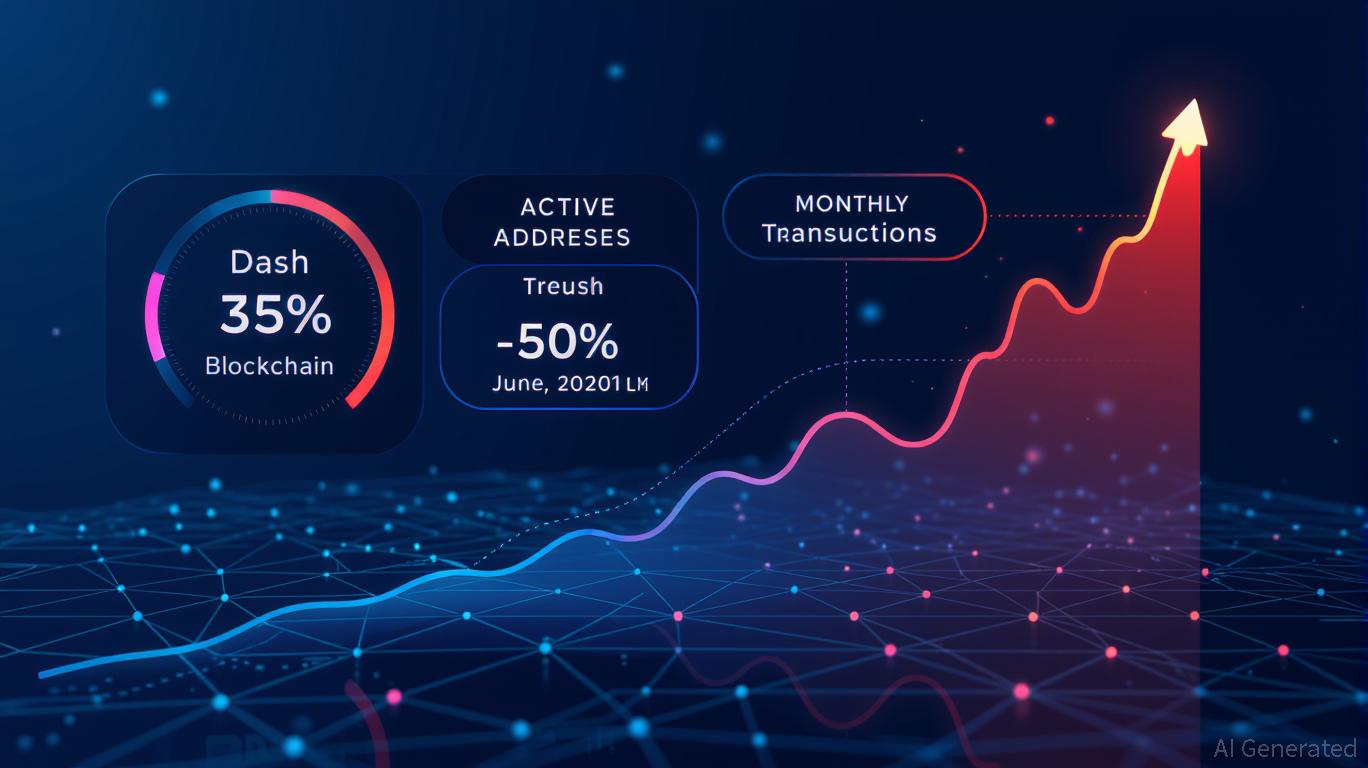
The foundation of DASH’s June rally was the introduction of Dash Platform 2.0, a significant update that brought token integration, support for decentralized applications, and cross-chain compatibility. These improvements positioned DASH as a formidable alternative to Ethereum, drawing attention from developers and businesses seeking scalable blockchain solutions. On-chain activity reflected this momentum: active addresses increased by 35%, and monthly transaction volumes surged by 50%, indicating heightened network engagement.
Institutional players further fueled the rally. Reports highlighted a $780.3 million influx from large holders, suggesting strategic accumulation by major investors. Open interest in DASH futures on exchanges such as Binance and Kraken soared by 120%, underscoring a spike in speculative trading. Additionally, DASH’s integration into retail payment systems through initiatives like Dash Spend and partnerships with prominent retailers expanded its practical use beyond trading, enhancing its real-world relevance.
Macro Factors: Policy Changes and Market Sentiment
Wider economic shifts also played a pivotal role. Supportive crypto policies under the Trump administration, including the Bitcoin for America Act, reduced regulatory ambiguity and encouraged risk-taking in digital assets. Updated SEC guidance on stablecoins and smart contracts provided greater clarity for DeFi projects, indirectly benefiting DASH’s masternode network and privacy features.
DASH’s price also moved in tandem with Bitcoin, maintaining a 0.80 correlation over 30 days and benefiting from expectations of Federal Reserve rate reductions and a broader shift toward high-growth assets. However, while Bitcoin reached a yearly low in June, privacy-focused coins like DASH outperformed, with DASH achieving a 65% single-day gain on substantial trading volume. This divergence highlights DASH’s unique appeal as a privacy-centric asset during periods of increased risk appetite.
Challenges to Longevity: Transparency and Regulatory Risks
Despite these positive catalysts, doubts remain about the durability of DASH’s gains. Data from the third quarter of 2025 shows a 257% price increase over 90 days, but this growth was accompanied by limited transparency in on-chain activity. For example, the PrivateSend feature obscures 77% of transactions, making it challenging to determine whether growth is organic or speculative. Critics argue that large holders and speculative trading dominate DASH’s market dynamics, and that its institutional partnerships lag behind those of other major players.
Furthermore, while DASH’s hybrid proof-of-work and proof-of-stake consensus and self-governing structure offer unique strengths, its long-term prospects depend on resolving the tension between privacy and transparency. Ongoing regulatory scrutiny of privacy coins, especially as agencies like the SEC and CFTC finalize digital asset frameworks, adds another layer of uncertainty.
Looking Forward: Innovation Amid Uncertainty
DASH’s trajectory will be shaped by its ability to adapt to shifting economic conditions and regulatory developments. The launch of Aster DEX in the third quarter of 2025 improved liquidity and attracted institutional interest, yet delays in Federal Reserve rate cuts and tighter financial conditions could dampen enthusiasm for riskier assets. On the other hand, DASH’s limited supply and growing acceptance among merchants provide a solid base for future expansion, particularly in regions where privacy and rapid transactions are highly valued.
Final Thoughts: Navigating Between Volatility and Promise
DASH’s 150% rally in June 2025 was driven by a combination of technological progress, institutional engagement, and supportive macroeconomic trends, but tempered by concerns over transparency and regulatory headwinds. For investors, DASH presents a compelling yet risky opportunity—offering exposure to privacy-focused innovation, but requiring careful consideration of long-term structural and regulatory challenges. As the crypto sector continues to evolve, DASH’s ability to balance privacy with openness and to leverage its distinctive strengths will determine whether this surge marks the beginning of sustained growth or a temporary spike.





